
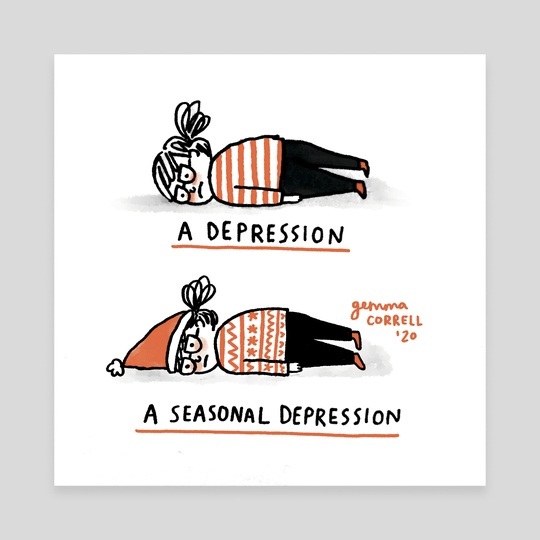
Everyone has their favourite season, some people like the liveliness of the spring, some prefer the sun and beach and everything else summer presents. Although I find it difficult to believe, some people like the gloomy, rainy, cold autumn and winter days. Perhaps it is the cosy feeling that comes with it, in the moments of staying indoors watching movies with the sound of rain in the background or the cosyness of the pumpking spice lattes that warm us up.
There are people who tend to get affected by the weather changes this time of the year. Seasonal affective disorder (SAD) is a diagnosis and refers to depression symptoms becoming more apparent and severe during winter season, it is also referred as ‘winter depression’.
Evolutionary science explains that as humans our bodies adapt to changing environments to survive. Our bodies change biologically and behaviourally during different seasons to adapt and survive.
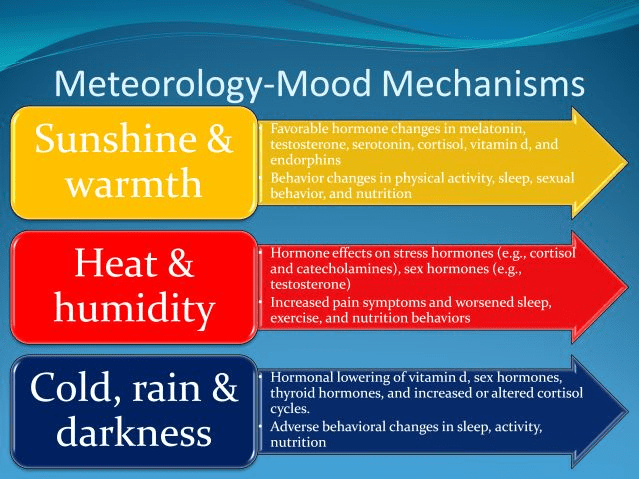
So even if we don’t necessarily suffer from ‘winter depression’, we may experience symptoms such as lack of motivation, tiredness, low mood, irritability etc. these changes then affect our emotions and can cause our psychological well-being to suffer. However, there are things we can do to limit these and not let the weather affect our lives negatively.
- Get as much sunlight as possible
As the days are shorter and it gets dark quite early, it is important to make the most of the very little light we get! Even if it is not sunny, it will make a difference if you go out for a walk even for a little bit to get some light and get active, especially in the morning. This will set the tone for the day.
There is a form of intervention called light therapy, which involves sitting by a light box around 30 minutes each morning which is proved to be an effective treatment for seasonal depression. This highlights the importance of light in regulating our bodies during the cold season. Sunrise alarm clocks can be an alternative to this intervention.
- Continue your daily routine
It might be tempting to stay indoors and be less productive during this time of the year. Especially because seasonal depression affects our motivation levels. But the less productive we are the more sluggish we would feel, then in turn become less productive. To avoid getting into this vicious cycle, it is important that we don’t break our routine and continue exercising, working, waking up early etc. Getting things done, even if it is small always makes us feel good about ourselves and increases our motivation to be more productive.
- Take supplements
Although NHS does not necessarily recommend supplements for treatment of SAD, it recommends to take vitamin D supplements daily to make up for the lack of sunlight in the UK, especially during winter season. Vitamin D helps with energy levels and tiredness. Another important supplement is iron. Lack of iron in our diet leads to lack of energy and tiredness. It is important to make sure we have enough iron in our body to regulate properly especially during winter. It is also important to make sure we have a healthy and balanced diet and then support it with supplements.
- Talk to a professional
It is normal to experience tiredness, lack of motivation, lack of interest in our hobbies, irritability and anxiety during colder seasons. But if you think it is affecting your daily life speak to a professional for possible interventions for SAD.
 mindandfashion.com