
Bad Bunny’s influence isn’t just about music. It’s also about fashion, identity, and cultural messaging. His outfits on stage, at awards, and in public are deliberate and meaningful. They start conversations about identity, culture, and masculinity, rather than aiming to shock. Psychologically, this is interesting because humans naturally look for cues about status, safety, and identity in others, and his clothing choices give clear signals that blend both personal and cultural meaning.
Fashion as Communication
Clothes aren’t just decoration. They communicate who we are, what we value, and sometimes push back against societal expectations. Bad Bunny uses fashion this way. His outfits make statements about Puerto Rican culture, gender, and identity. From painted nails to skirts to tailored menswear, he consistently challenges traditional ideas of masculinity. Psychologically, this resonates with concepts like enclothed cognition, where what we wear influences not only how others perceive us, but also how we perceive ourselves, projecting confidence, cultural pride, and openness in ways that reinforce his public persona.
Super Bowl LX 2026 — All-Cream Zara Outfit
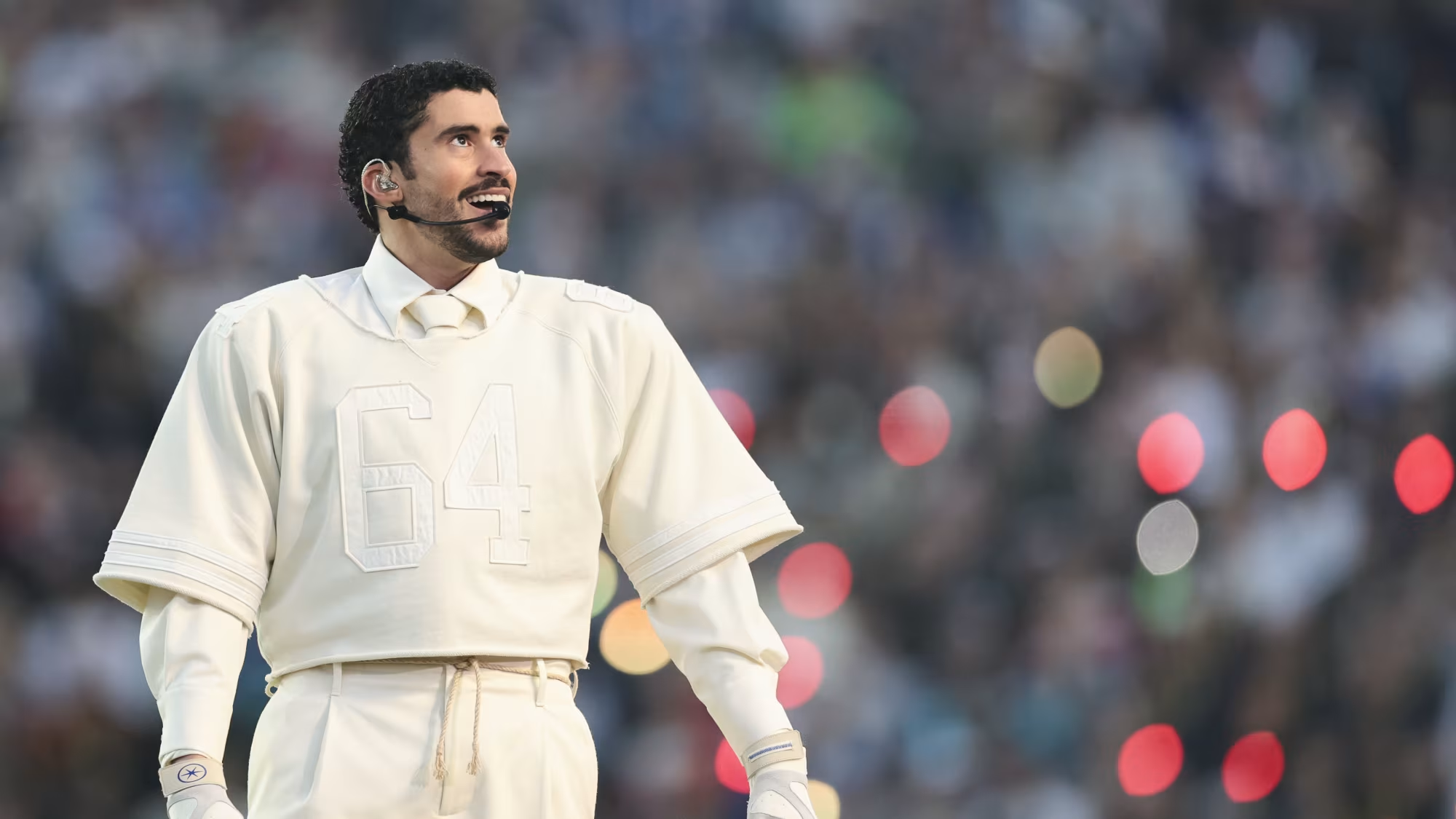
At the Super Bowl LX halftime show, Bad Bunny wore a custom all-cream outfit from Zara: a collared shirt, tie, chinos, and a cream jersey that read “OCASIO 64”, referencing his mother’s surname and birth year. He finished the look with his own Adidas BadBo 1.0 sneakers.
Psychologically, this choice reflects a balance between familiarity and self-expression. Wearing a high-street brand rather than luxury could signal approachability while still conveying intentional identity markers. This aligns with the idea from polyvagal theory that people are drawn to visual cues of safety and authenticity; his outfit gives viewers both aesthetic pleasure and emotional grounding, even on a massive, high-stress stage.
Second Super Bowl Look
During the performance, he layered a cream double-breasted blazer, keeping the monochrome look but giving it a more polished feel. Accessories like gloves and a watch added subtle details without distracting from the outfit.
From a psychological standpoint, adding layers signals adaptability and complexity; it subtly communicates that identity is not fixed but layered. This resonates with audiences at a subconscious level, showing sophistication and intentionality, which can increase trust and admiration.
2026 Grammy Awards — Schiaparelli Menswear
At the 2026 Grammys, he wore a custom Schiaparelli menswear tuxedo, the brand’s first menswear piece. This more formal look contrasts with the Super Bowl outfit and emphasises tailored sophistication with subtle boundary-challenging details.
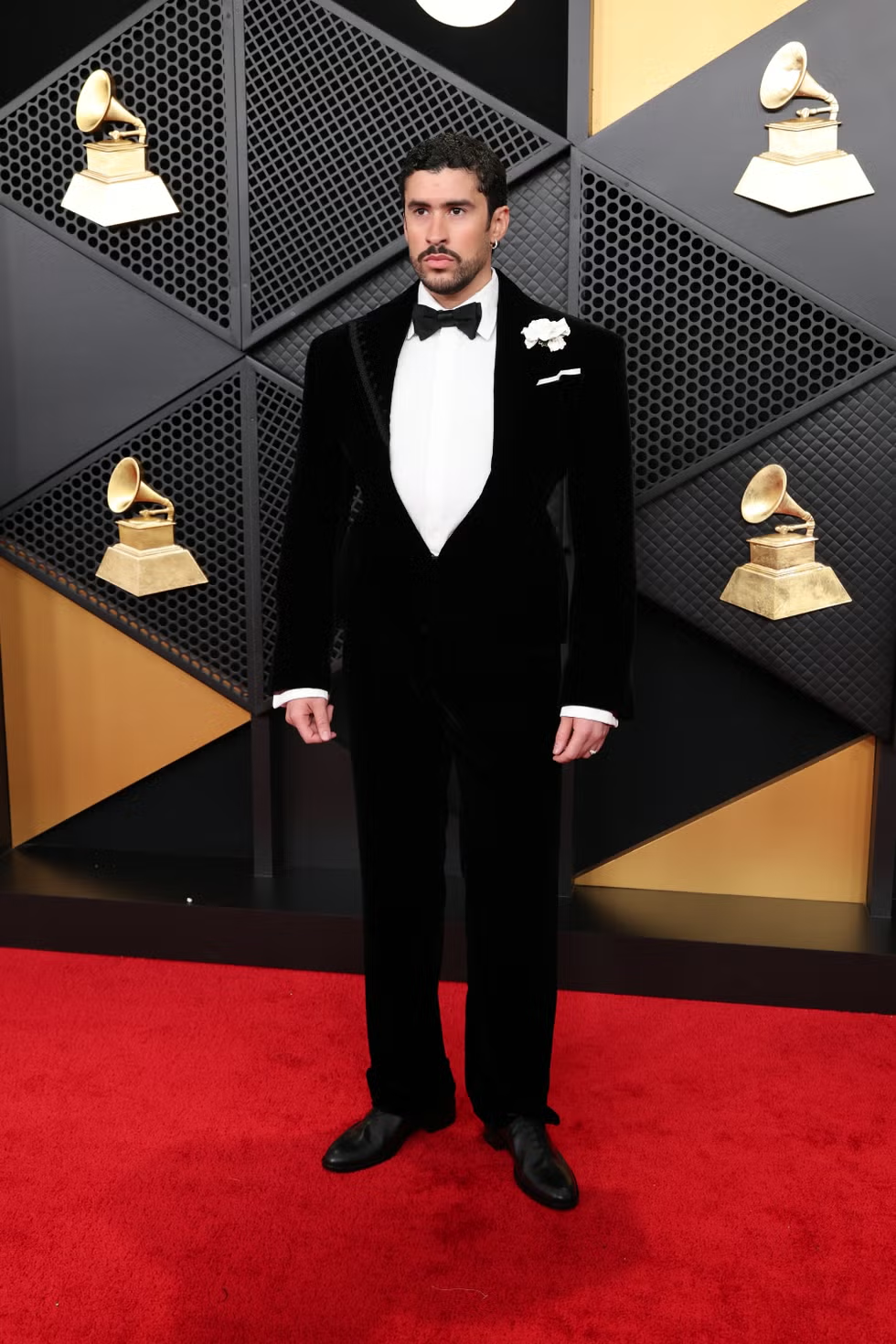
Psychologically, this move shows strategic signalling: he alternates between street-level relatability and high fashion prestige, demonstrating flexibility in self-presentation. Erikson’s theories on identity suggest that people navigate transitions by integrating multiple roles; Bad Bunny’s wardrobe choices mirror this integration in the public sphere, merging artistry, cultural representation, and self-expression.
Cultural Identity and Masculinity
Bad Bunny’s style preserves his cultural identity while questioning traditional masculinity. He performs in Spanish, includes Puerto Rican references, and refuses to change for mainstream acceptance. His fashion choices give visibility to a different way of expressing gender and identity.
From a social psychology perspective, his style serves as a model for breaking stereotypes without apology. Seeing him confidently embody a range of masculine and non-traditional traits can reduce internalised norms in viewers, subtly encouraging others to explore identity outside rigid expectations.
Fashion as Boundaries
He also uses fashion to set boundaries. He doesn’t explain every detail; the meaning is in the presentation. Clothes allow expression without needing to justify it to others.
Psychologically, this is a form of self-regulation and identity protection. By controlling how much context is given, Bad Bunny maintains autonomy over his image, which aligns with research on self-determination and the role of personal expression in emotional wellbeing.
Why People Connect With His Style
His fashion resonates because it matches his music and message. It’s not just trends; it’s thought-out and personal. He shows that fashion can be meaningful, represent culture, and still be stylish.
From a psychological standpoint, humans respond to coherence between multiple channels of identity expression. When music, personality, and clothing align, it creates a stronger sense of authenticity, making him both relatable and aspirational to audiences worldwide.
 mindandfashion.com